Broilers or layers: which one should you actually start with?
Broilers return money fastest and layers return more of it over time. Broilers reach market weight in roughly six weeks, so cash comes back quickly and risk is spread across short cycles. Layers take months before the first egg and then earn steadily over a long laying period. If your capital is limited and you need to learn on a short cycle, start with broilers. If you can carry birds for months before income, layers pay better.
Peculiar Poultry · Updated 9 September 2026
The difference is the cash cycle, not the bird
Most people frame this as which bird is better. It is really a question about how long you can go without income, and how much of a loss a single bad cycle would be.
| Broilers | Layers | |
|---|---|---|
| First income | Weeks | Months, after point of lay |
| Cycle length | Short and repeatable | Long and continuous |
| Capital tied up | Less per cycle | More, for longer |
| Main cost | Feed, concentrated in a short window | Feed, spread across a long rearing period |
| Where the risk sits | One bad cycle, quickly visible | A long rearing period before you know |
| Best suited to | Learning, fast turnover, tight capital | Steady income, patience, secure housing |
The case for starting with broilers
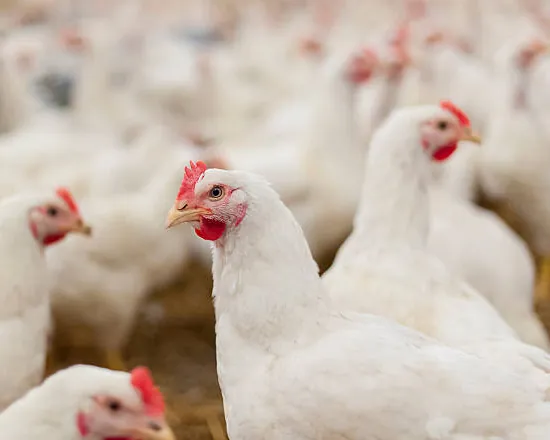
- You find out whether your management works in weeks, not months
- A mistake costs one short cycle rather than most of a year
- Money comes back before the next batch of feed has to be bought
- Housing can be simpler because birds are not there as long
The trade-off is that broilers are unforgiving about feed and temperature. They grow fast because they eat consistently, and they stop growing the moment conditions slip. Margins are thinner per bird, so losses hurt proportionally more.
The case for layers
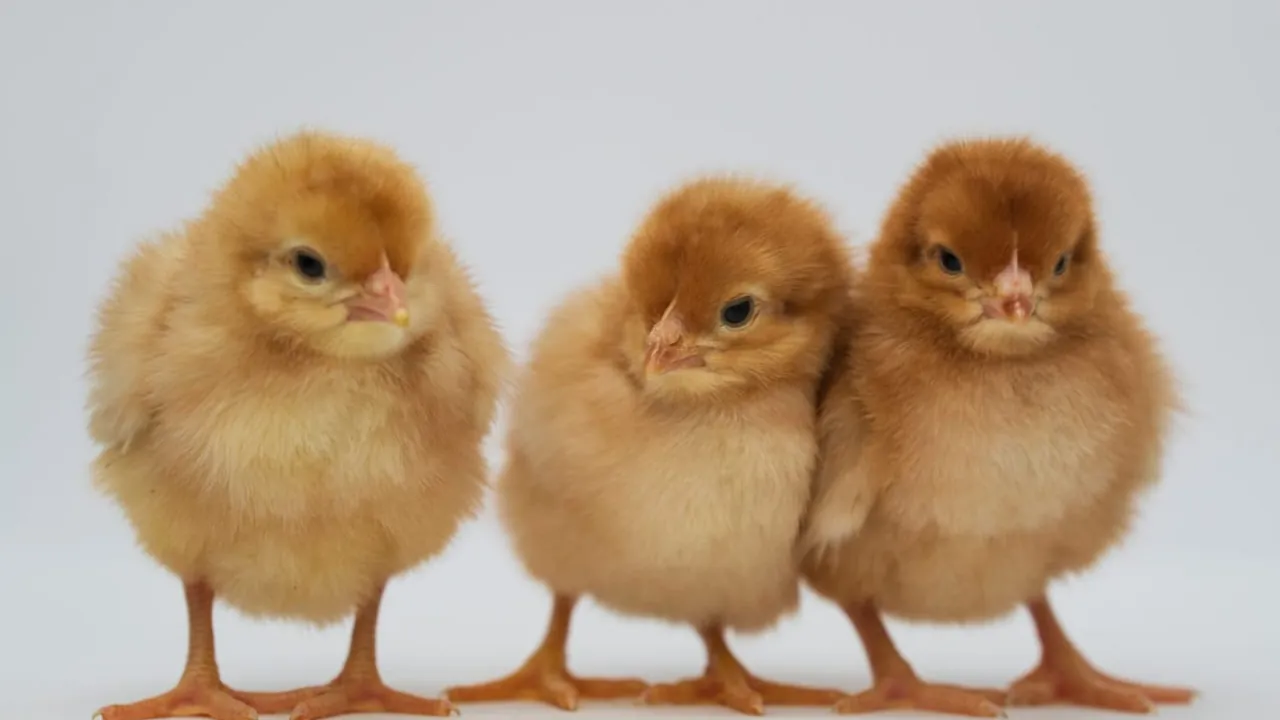
- Income arrives regularly once birds are in lay, rather than in lumps
- A long laying period spreads the cost of rearing across many months
- Eggs have a steadier local market than meat in many areas
- Spent hens still have a value at the end of the laying period
The trade-off is the wait. You feed layers for months before the first egg, which means the capital is committed and a management failure during rearing is expensive by the time it shows up in production.
Where dual-purpose birds fit
Kuroiler, Rainbow Rooster and improved local birds sit between the two. They grow more slowly than a commercial broiler and lay less than a commercial layer, but they tolerate simpler housing, scavenge part of their own feed, and are often preferred in local markets.
If your housing is basic, your feed supply is inconsistent, or your buyers pay a premium for local-type birds, a dual-purpose breed can beat both on the numbers that actually matter to you.
How to decide in one afternoon
- 1
Find your buyer first
Ask around your area who buys meat birds and who buys eggs, at what volume and how reliably. Grow for a buyer that exists rather than a market you assume is there.
- 2
Count the months you can go without income
If the honest answer is under three, layers will strain you regardless of the eventual margin.
- 3
Look at your housing
Layers need housing you can secure and manage for a long period. Broilers need a space you can keep warm and dry for a short one.
- 4
Start smaller than you want to
The first flock is tuition. Pay for it in a size you can afford to get wrong.
Questions
How long do broilers take to reach market weight?
Roughly six weeks under good conditions, though it varies with strain, feed quality and management. Growth is closely tied to consistent feeding and stable temperature, so a batch that gets cold or runs out of feed will take longer.
When do layers start laying?
Layers typically come into lay at around eighteen to twenty weeks, depending on breed, feeding and lighting. That whole rearing period is cost with no income, which is the main thing to plan for.
Which is better for a beginner in Uganda?
Broilers, in most cases. The cycle is short enough that you learn quickly and a mistake costs weeks rather than months. Farmers with secure housing and enough capital to carry birds through rearing often do better starting with layers.
Can I keep broilers and layers together?
Not in the same house. They need different feed programmes and different management, and mixing age groups is one of the easier ways to move disease between birds. Keep them separate or pick one to start.